NHM Assam · NESFIC 2026 · Challenges D-23 & D-26
Seen early.
Followed home.
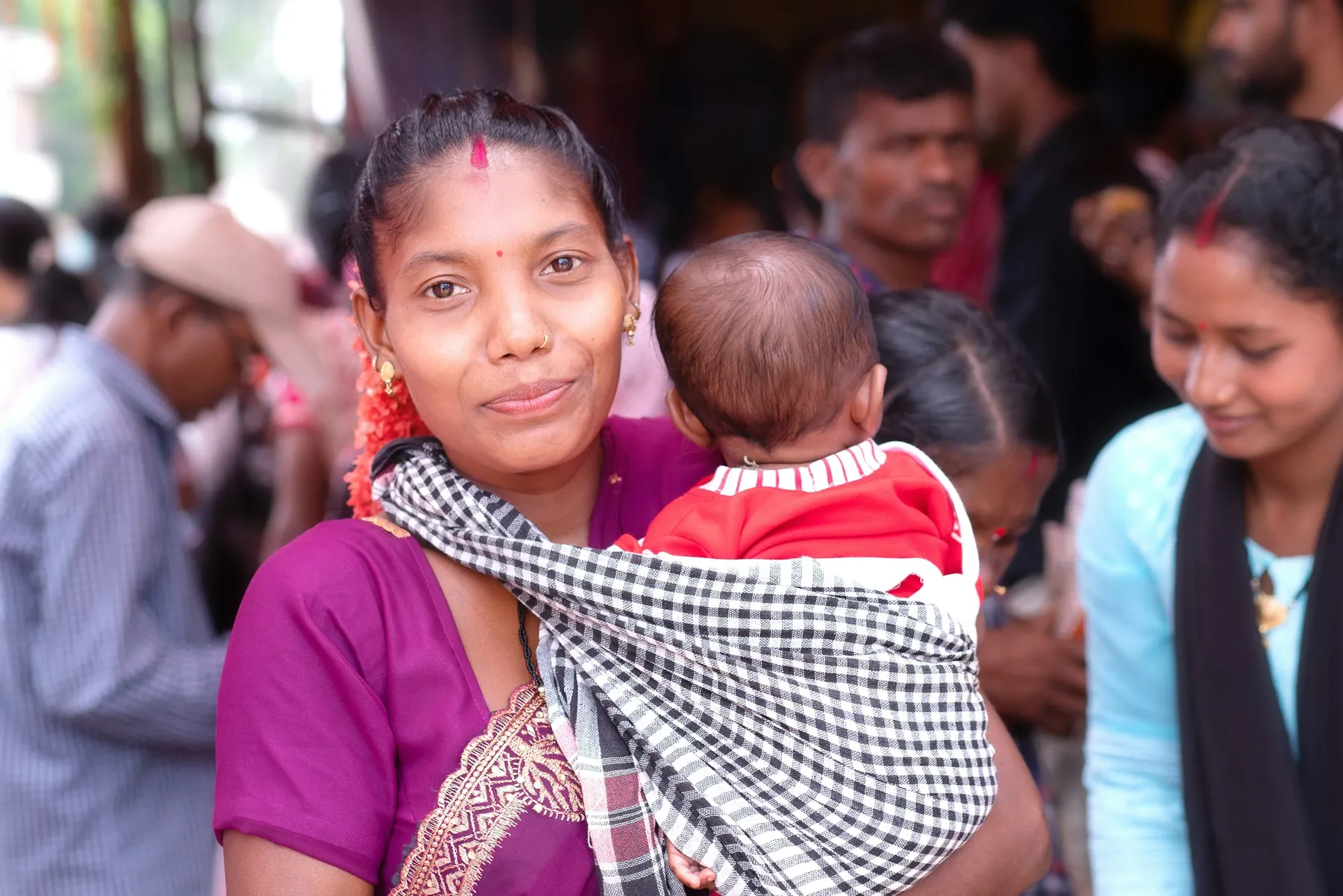
Jonmo links the ASHA's home visit, the receiving hospital and the district team — so high blood pressure in pregnancy and danger signs in newborns are caught at the doorstep, referred with a deadline, and followed to day 42.
The ASHA app
Works with no network
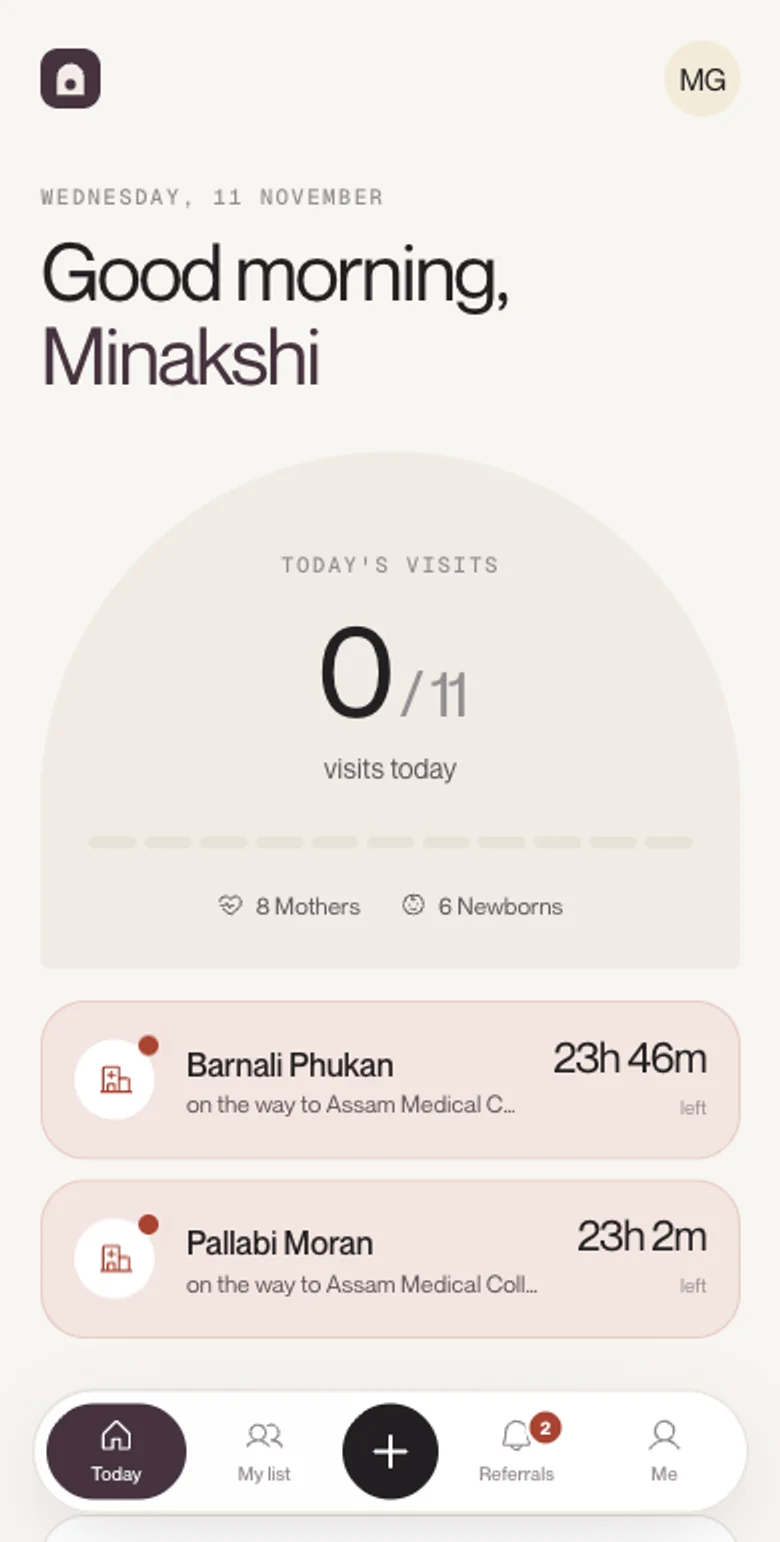
Referred to Assam Medical College
Suspected pre-eclampsia · arrive within 4 h
4 h
to a First Referral Unit for severe hypertension
2 h
to an SNCU for a newborn with danger signs
42 days
of newborn home visits, tracked one by one
2 districts
Tinsukia and Dibrugarh, then statewide
The problem
Two gaps where mothers and babies are lost
Assam's Health & Family Welfare Department set both challenges for a pilot in Tinsukia and Dibrugarh. Jonmo answers them together — the same ASHA, the same home visit and the same referral system serve both.
Challenge D-23
High blood pressure in pregnancy is caught late
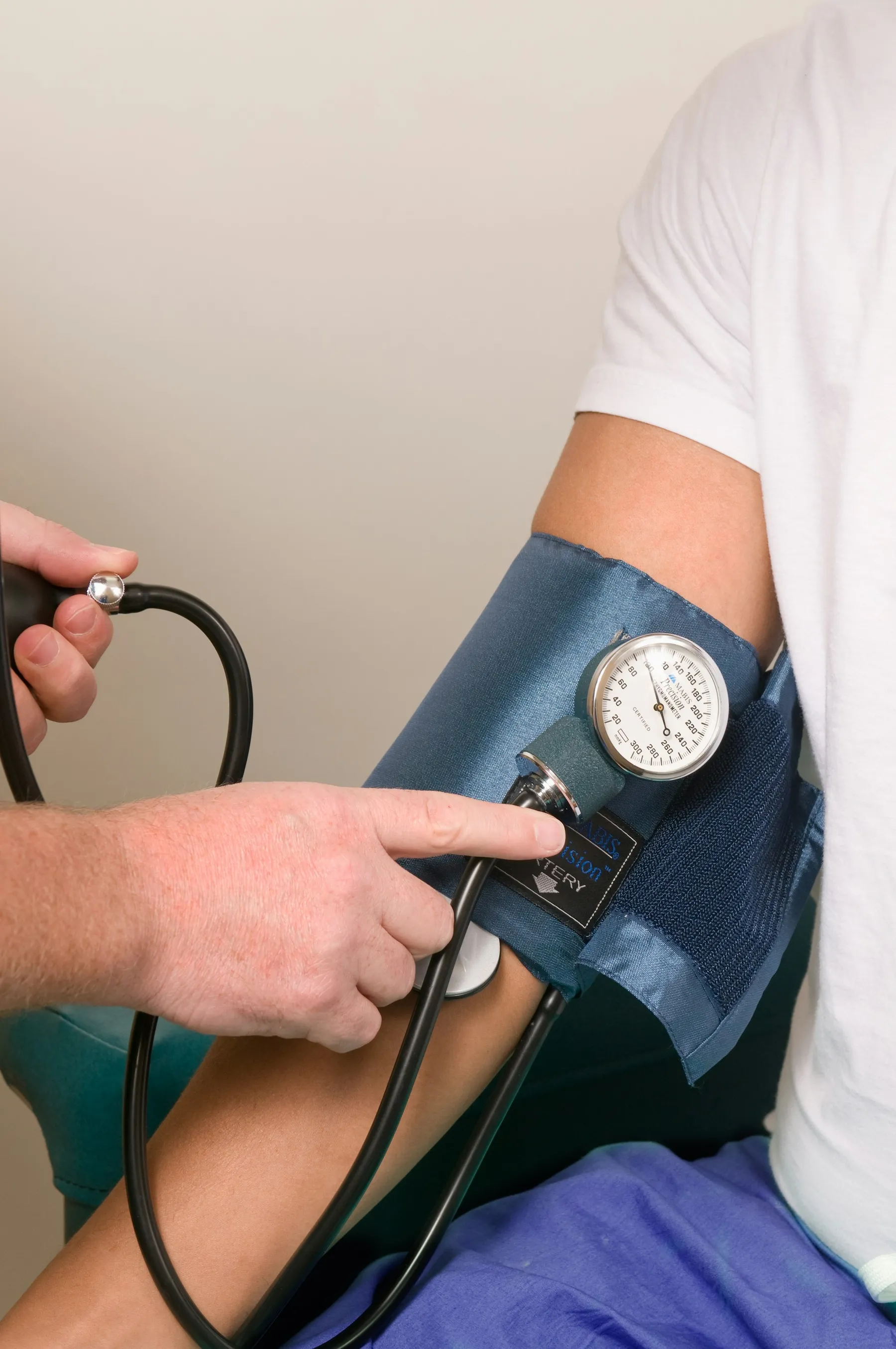
BP is checked at antenatal visits, and treatment starts once it crosses 140/90. A steady rise, protein in the urine or warning symptoms between visits can go unnoticed — and severe pre-eclampsia can damage the brain, lungs and kidneys within hours.

Challenge D-26
Sick newborns fall through the gaps
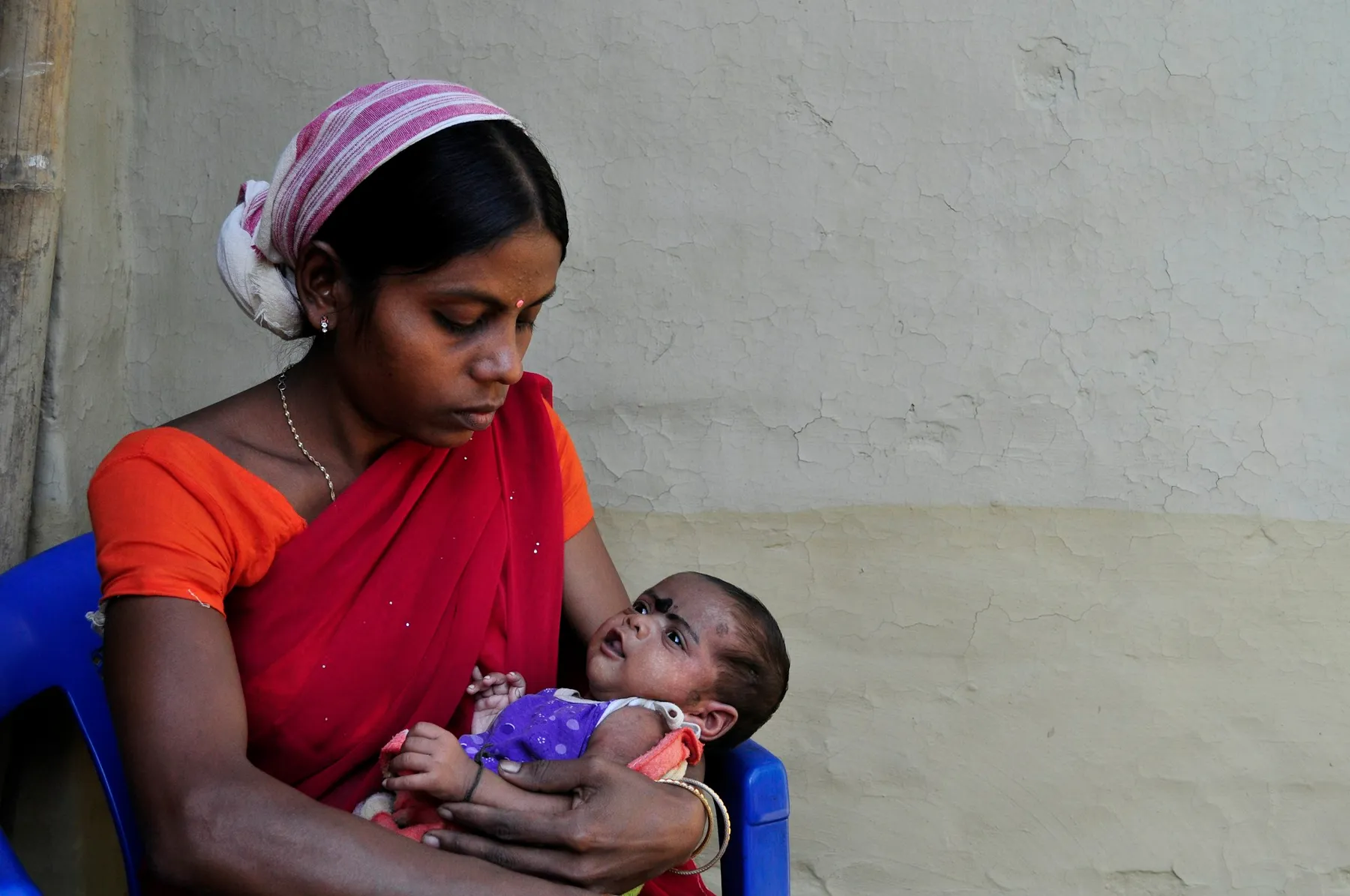
Danger signs are screened by hand during home visits. Referrals to SNCUs and NBSUs aren't tracked to arrival, and follow-up between discharge and home depends on memory and paper registers.
How it works
From the doorstep to day 42
Screen
BP, urine strip and symptoms — or a newborn's temperature, breathing and danger signs.
Flag
Guideline rules run on the phone: all well, watch, high risk or emergency.
Refer
Nearest suitable facility, an arrival deadline, and the team alerted.
Follow home
Discharge books the home visit; newborns are tracked to day 42.
Screen at home
A guided visit, one question at a time
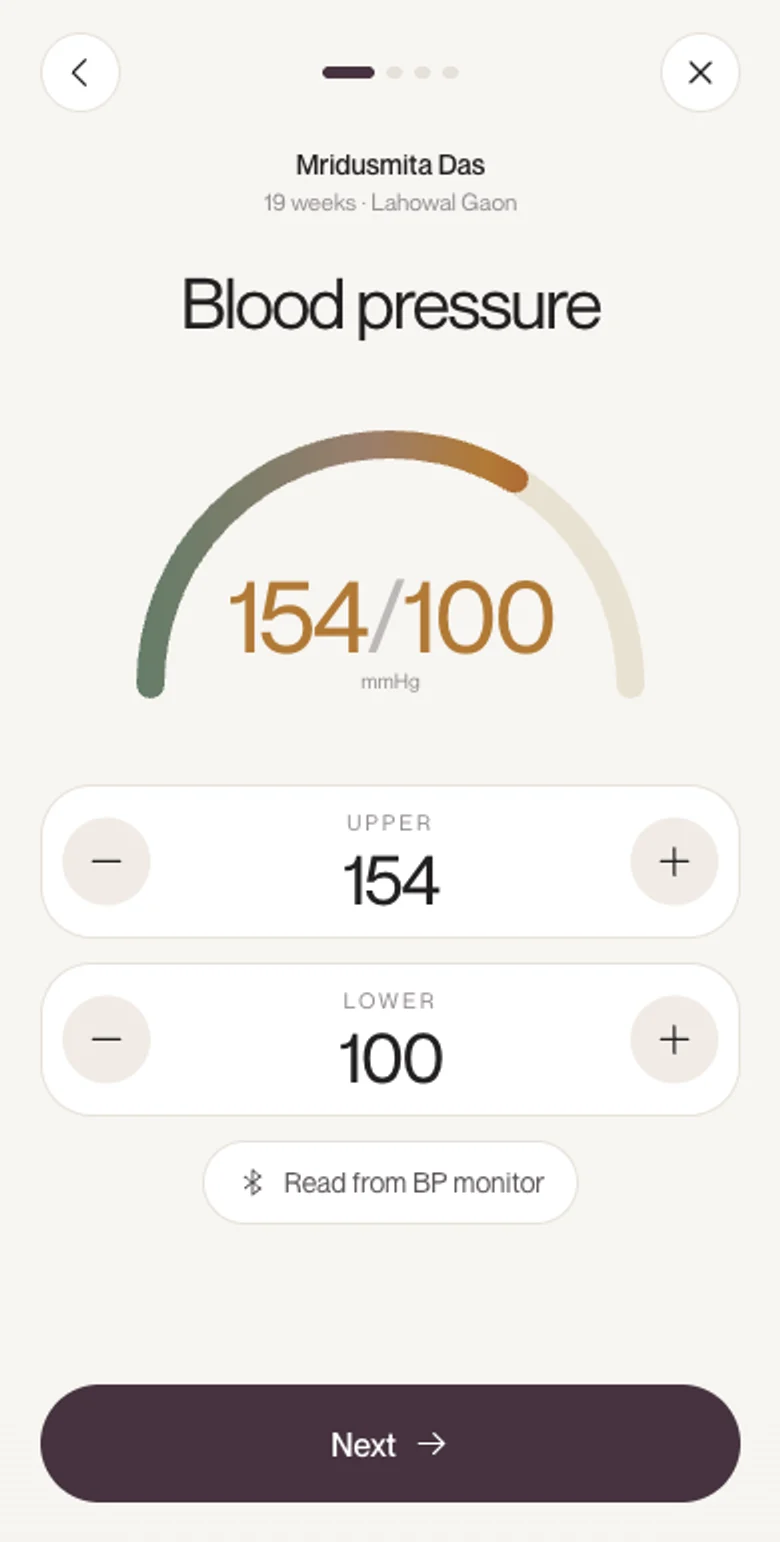
The ASHA records blood pressure with a dial, matches the urine strip by colour and taps the symptoms she sees. A high reading prompts a second one after 15 minutes' rest — exactly as the guideline asks.
- Large buttons, English or Assamese
- 60-second tap-along breath counter for newborns
- Saved on the phone when there's no signal
Flag and refer
The right facility, with a clock running
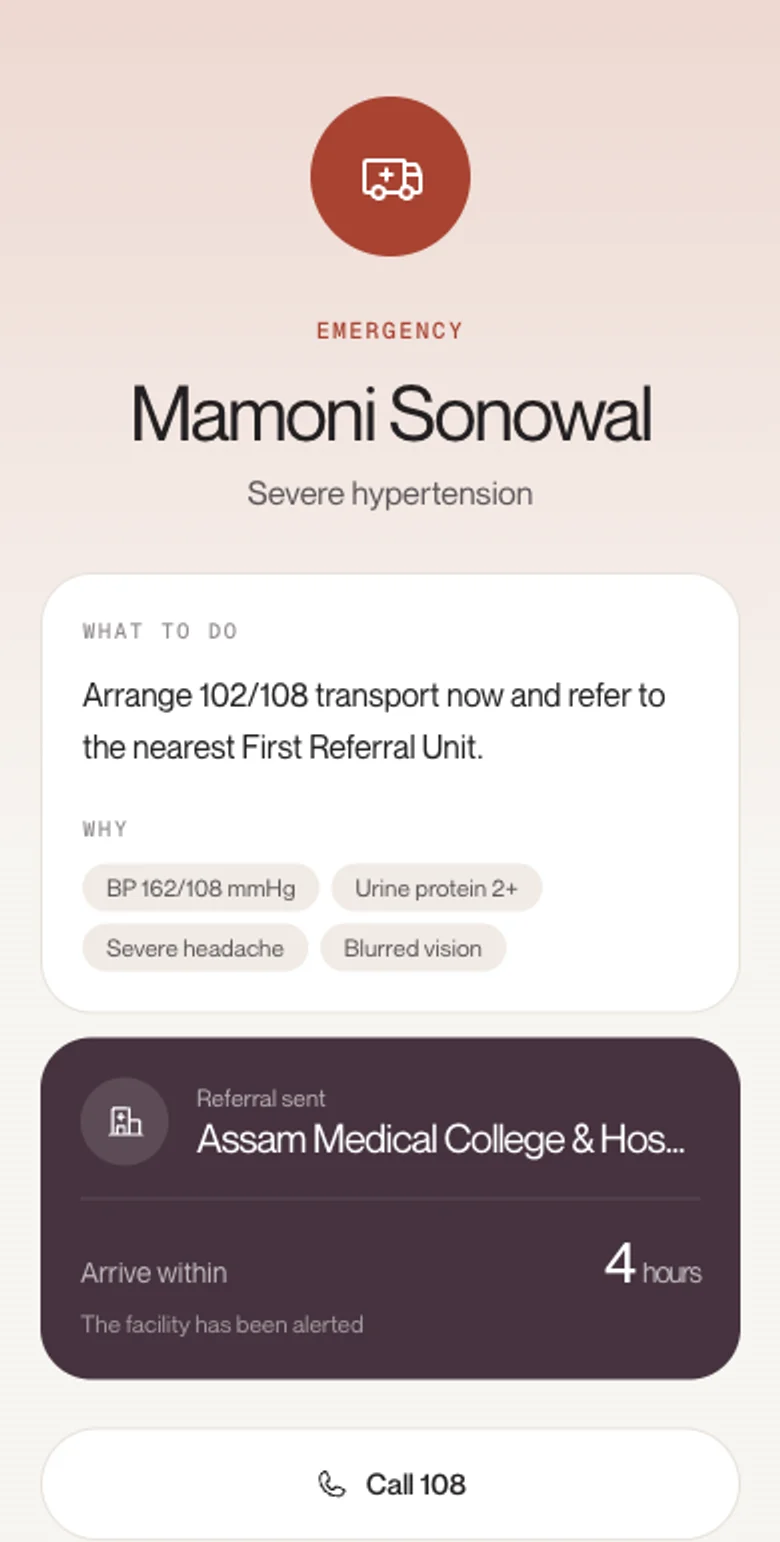
Rules from WHO, MoHFW and IMNCI run on the phone itself. An emergency gets plain advice, the reasons behind it, and one tap to refer to the nearest FRU, SNCU or NBSU — with an arrival deadline the hospital can see.
- Rising BP caught even below 140/90
- Countdown visible to the ASHA and the hospital
- Late arrivals escalated to the district
The product
One platform, a view for everyone in the chain
A guided visit in the ASHA's pocket
- One question per screen, large buttons, English or Assamese
- Prompts a second BP reading after 15 minutes' rest
- 60-second tap-along breath counter for newborns
- Saves on the phone with no signal; sends automatically later
Features
Built for field care in Assam
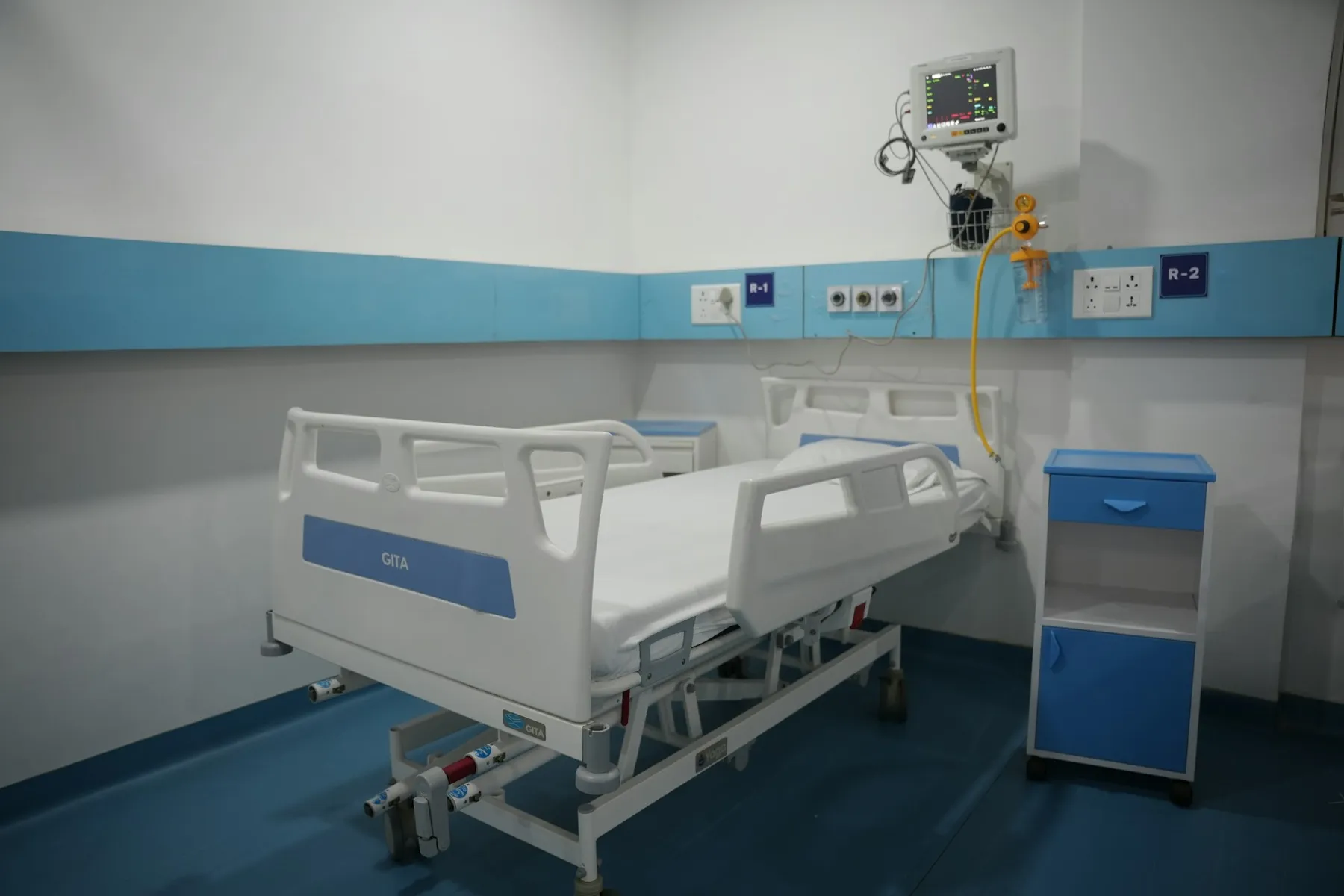
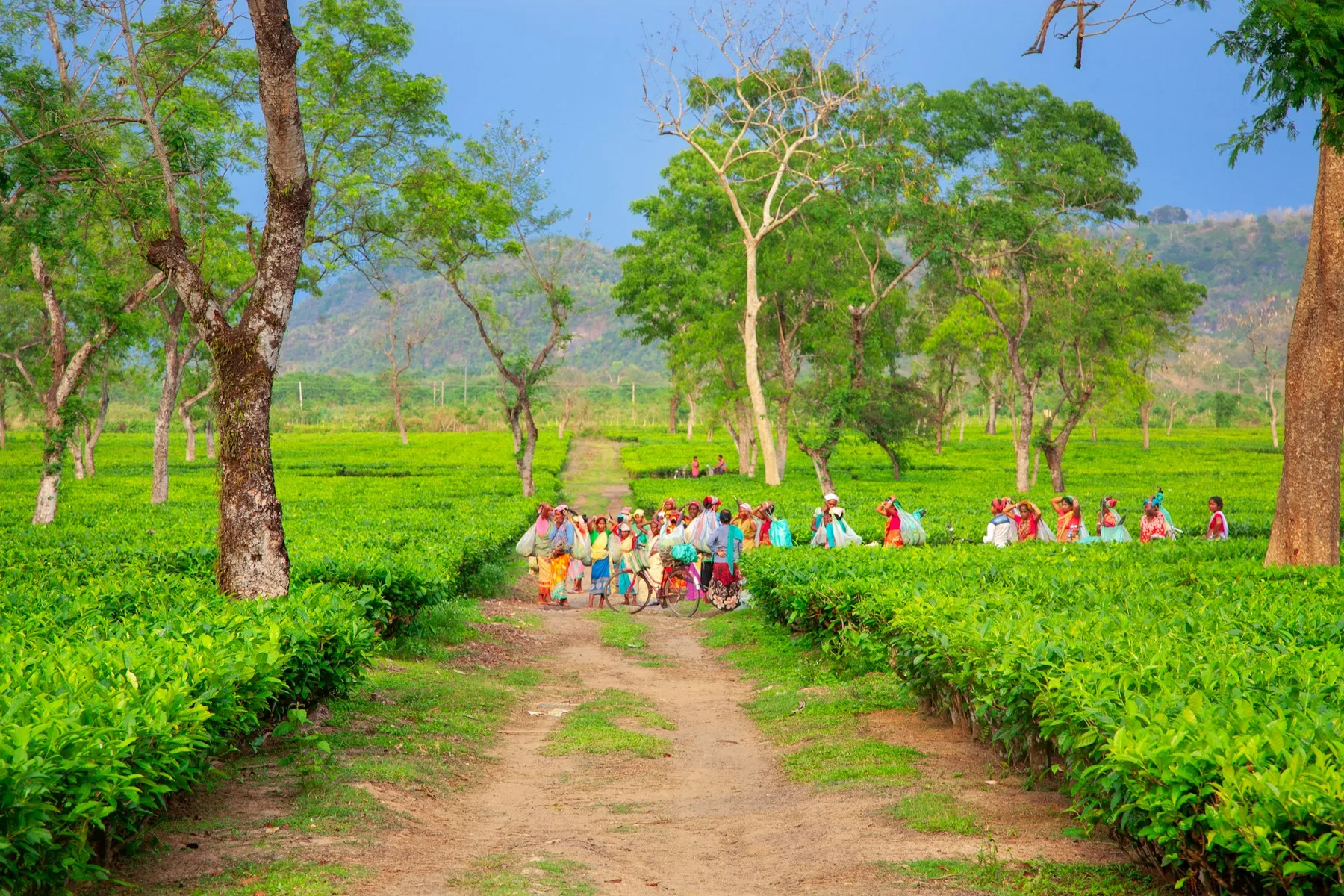
Tea-garden lines, river islands and long roads to the nearest First Referral Unit shaped every decision.
Offline-first
Visits save on the phone with no signal and sync on their own when the network returns.
Assamese built in
Every ASHA screen switches between English and Assamese with one tap.
Pre-eclampsia screening
BP with a confirmatory repeat, urine protein, severe features and a steep rise from booking.
Breath counter
The ASHA taps each breath for 60 seconds; fast breathing is flagged without a watch.
Aspirin eligibility
One high or two moderate risk factors flag low-dose aspirin before 20 weeks.
Closed-loop referral
Referred, arrived, admitted, discharged, closed — every referral has a status and a deadline.
Escalation
Overdue arrivals and missed home visits rise to the top of the district's list.
Live district view
Facilities, patients in transit, risk mix and day-42 visit completion on one screen.
Need-to-know access
ASHAs see their own list; doctors their facility; districts their districts.

Explainable
A doctor can see exactly why she was flagged
Every flag shows its reason, its weight and its guideline. Jonmo supports decisions; clinical and referral decisions stay with authorised health staff.
Pre-eclampsia with severe features
Emergency≥140/90 confirmed on repeat · WHO / MoHFW
Proteinuria by dipstick · WHO
Severe feature · WHO
For the district
Every referral, before it becomes an emergency
Programme managers see who is in transit, who is late, and which blocks are falling behind on screening and newborn visits — updated as ASHAs sync.
Open the console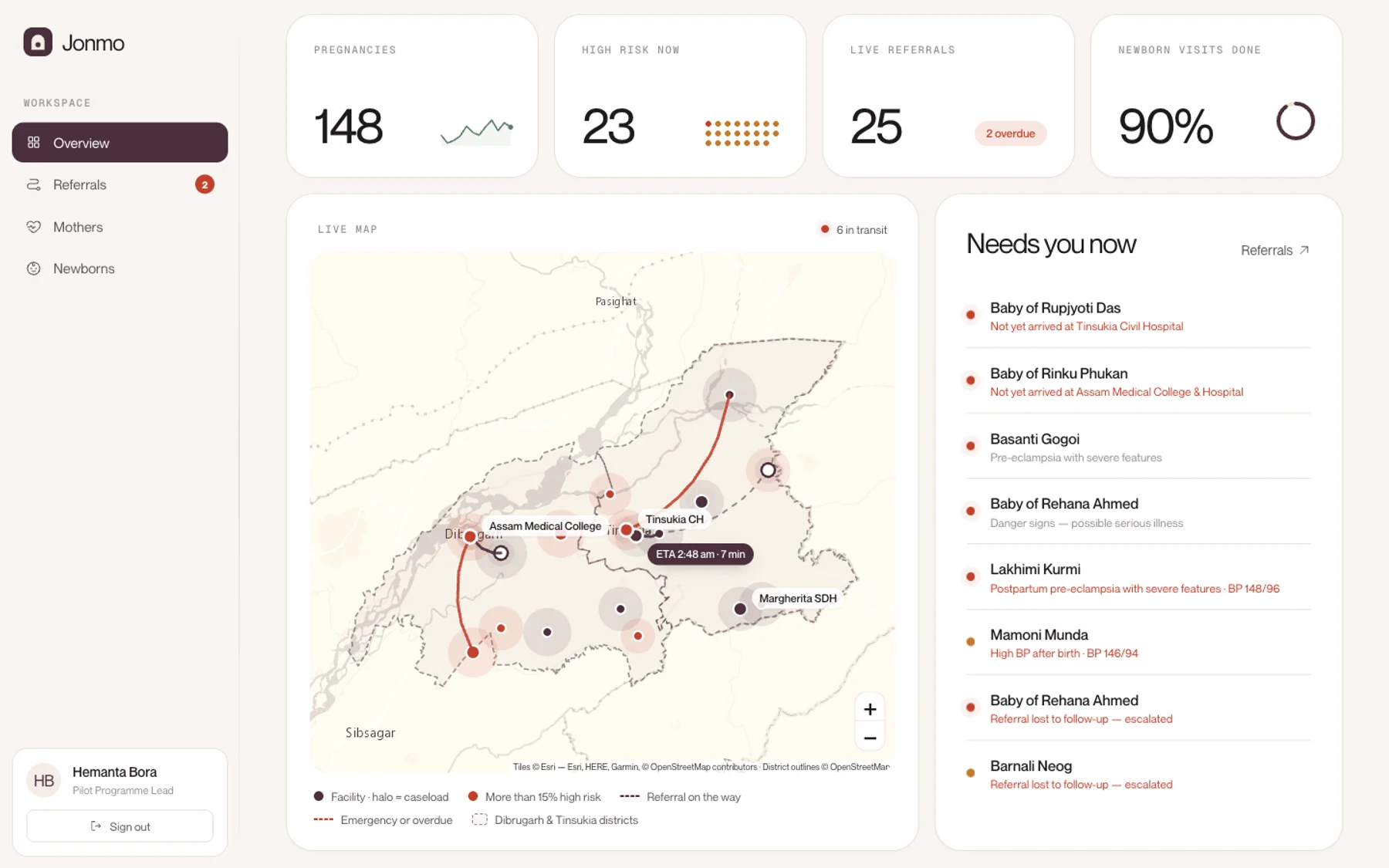
The pilot
Twelve months in Tinsukia & Dibrugarh
- M 0–2ValidateClinical sign-off of thresholds, Assamese review, facility mapping, ASHA training.
- M 3–8Go liveEvery antenatal and newborn home visit in both districts runs on Jonmo.
- M 9–12MeasureBP screening coverage, time from flag to arrival, referrals completed, day-42 visits, aspirin coverage.
Questions
Asked often
Does Jonmo diagnose patients?
No. It applies published screening rules and shows its reasons; the ASHA, ANM and doctor make every clinical and referral decision.
What happens with no network?
The risk check runs on the phone, so advice is immediate. Records and referrals wait on the phone and are sent when the network returns.
Do ASHAs need new equipment?
No. It works with the BP apparatus, urine strips, thermometer and scale already in the kit. Bluetooth BP cuffs can be added later.
How does it fit with RCH, HMIS and JANANI?
The data model mirrors FHIR resources so visits and referrals can flow into government systems instead of being typed twice. This integration is part of the pilot plan.
Is the demo data real?
No. Every person, reading and referral in the demo is synthetic. Facility names are used only so the map is recognisable.

See it working, from the doorstep to the ward
Sign in as an ASHA, a medical officer or the district lead — one-tap demo accounts are on the sign-in page.
Try the live demo